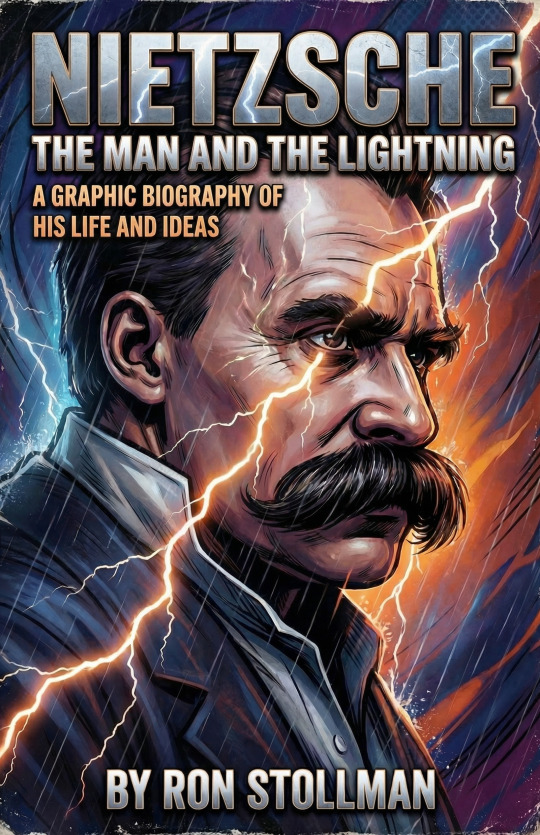
Nietzsche The Man and The Lightning, A Graphic Novel of His Life And Ideas
 English
19 pages
(FREE)
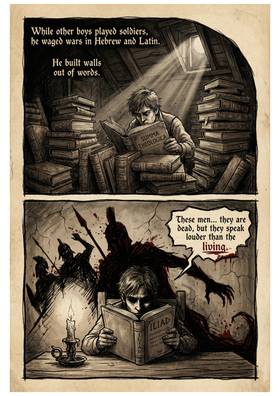
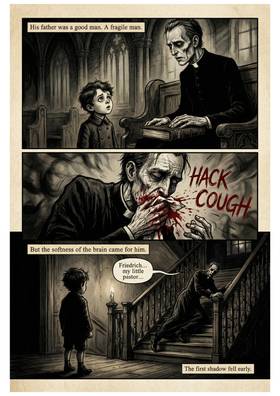
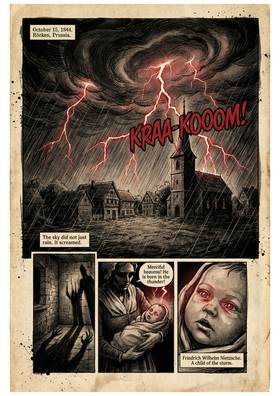
Issue 1
Chapter 1- Nietzsche's Early Years
2 views • Dec 05, 2025
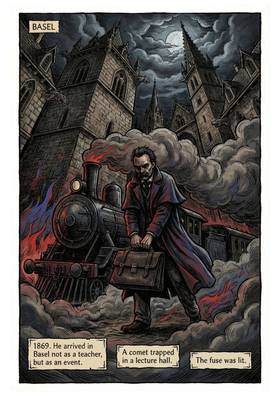
From a quiet, grieving boy shaped by early loss and strict faith, Nietzsche grows into a prodigy whose brilliance leads him—at only twenty-four—to become the youngest professor in Europe.
18 pages
(FREE)
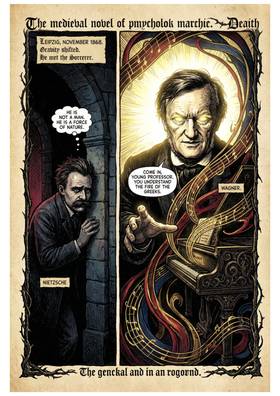
18 pages
(FREE)
Issue 3
Chapter 3 - Illlness, Break With Wagner and Human All Too Human
14 views • Dec 06, 2025
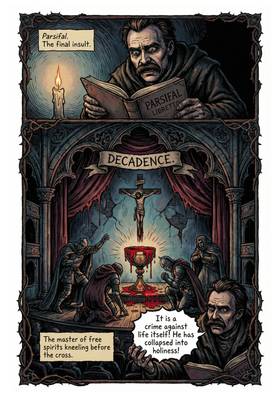
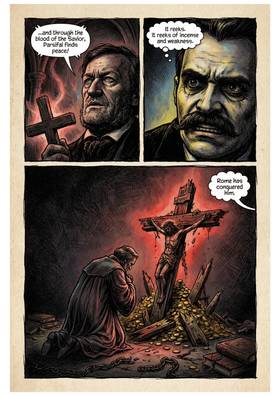
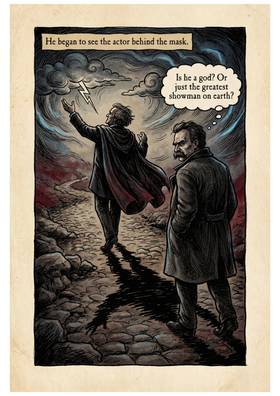
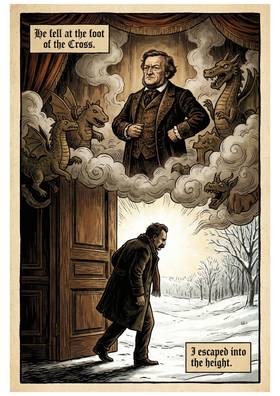
Struck by crippling illness and exhaustion, Nietzsche retreats into solitude—and in that silence, the bond with Wagner finally shatters. What was once a friendship of genius becomes a painful break with the man who shaped his early dreams. Out of this crisis emerges a new Nietzsche: sharper, freer, and fiercely independent. In Human, All Too Human, he begins dismantling old beliefs and forging the path of the “free spirit,” leaving behind the myths he once worshipped.
21 pages
(FREE)
15 pages
(FREE)
28 pages
(FREE)
25 pages
(FREE)
Issue 7
chapter 7 - Living Beyond Good and Evil
0 views • Dec 06, 2025
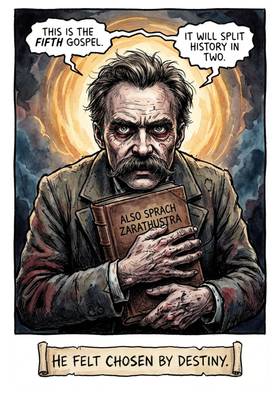
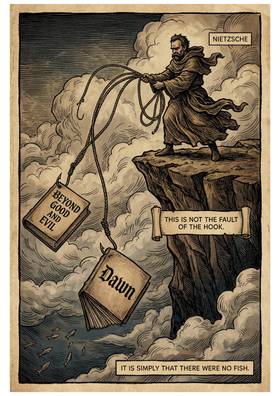
Freed from the illusions of traditional morality, Nietzsche turns his gaze toward the hidden drives behind human behavior. In Beyond Good and Evil, he dismantles the comfortable truths of philosophy, exposing prejudice where others saw reason and revealing instinct where others claimed virtue. This is Nietzsche at his sharpest and most fearless—calling for new values, new thinkers, and a life lived beyond the narrow boundaries of “good” and “evil” as the world had known them.
17 pages
(FREE)
20 pages
(FREE)
14 pages
(FREE)
Issue 10
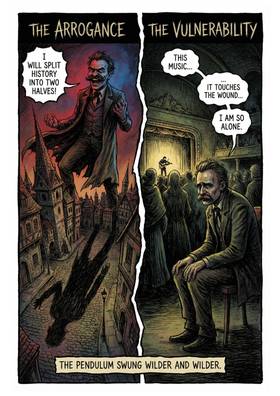
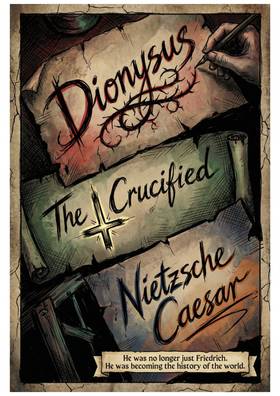
Chapter 10 - Nietzsche's Paralysis of The Insane and Final Years
0 views • Dec 06, 2025
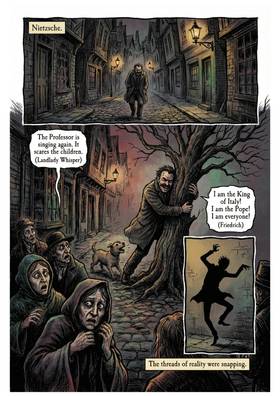
After the collapse in Turin, Nietzsche’s brilliant mind falls into irretrievable silence. Declared insane, he lives out his remaining years in the care of his mother and then his sister—trapped in a body that can no longer express the fire that once shook the world. These final years reveal a tragic stillness: the philosopher who preached self-overcoming now imprisoned in paralysis, while his writings begin their long journey into history. A life of thunder ends in quiet shadow, yet his ideas only grow louder after his fall.
20 pages
(FREE)
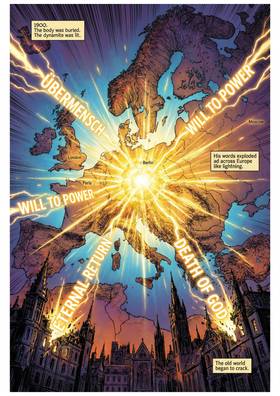
Issue 11
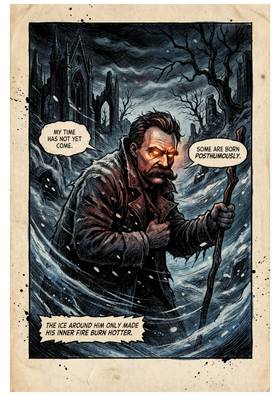
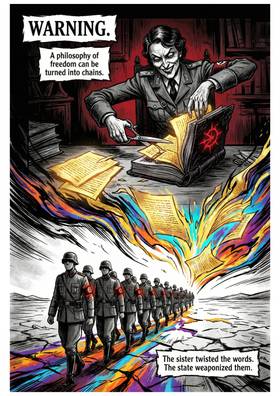
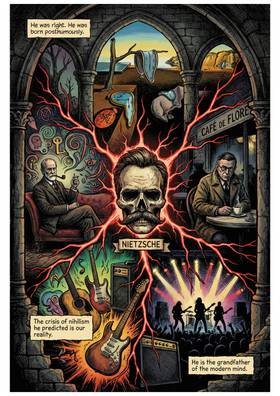
Chapter 11 -Some Are Born Posthumously Nietzshce's Influnce On the Modern World
0 views • Dec 06, 2025